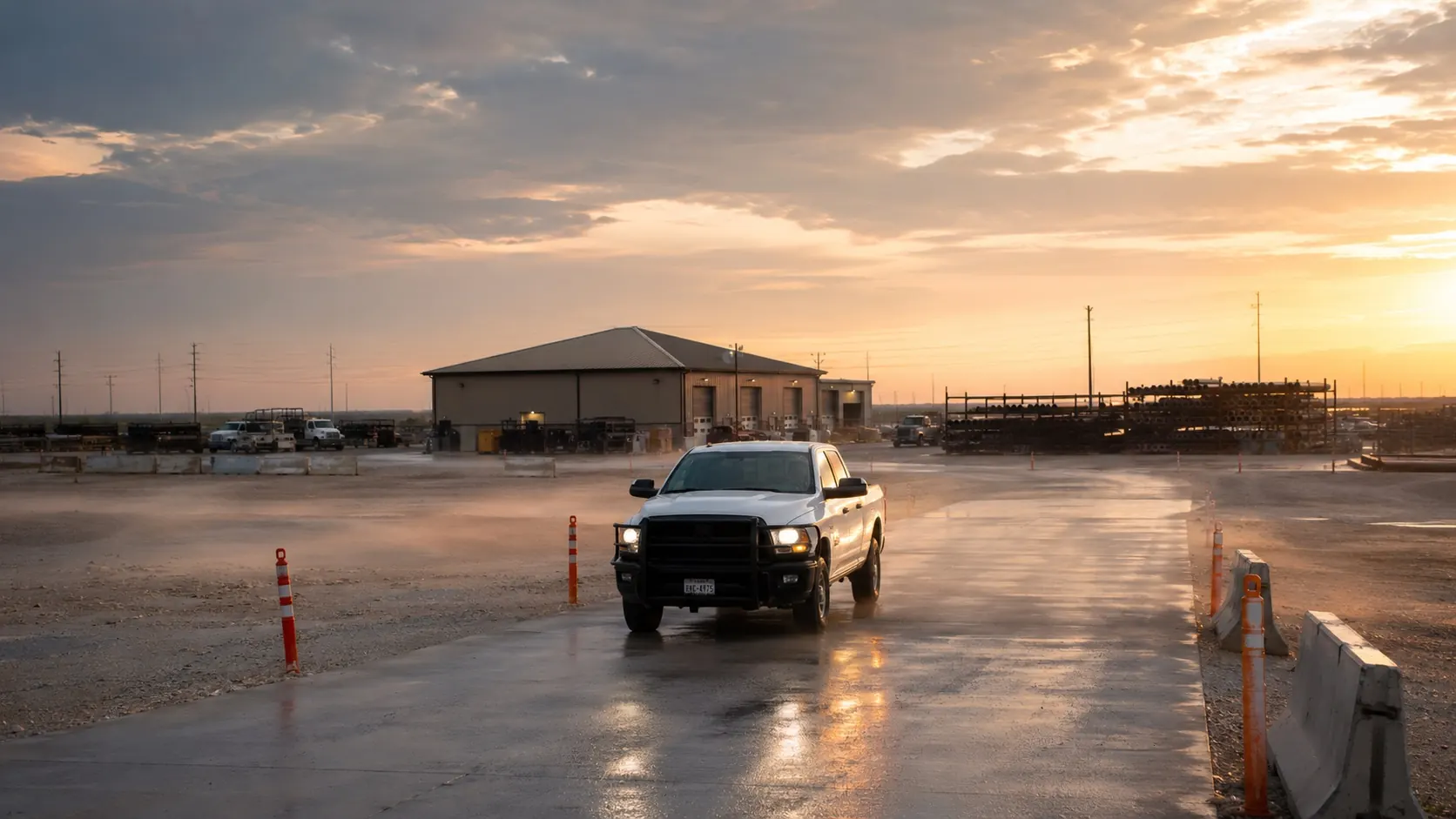

High-accuracy plate recognition, even with damaged or dirty plates.
CLPS (Continuous License Plate Scanning) takes dozens of photos a second and reads the plate across many frames per pass rather than a single snapshot, even when plates are bent, dirty, moving fast, or poorly lit. It fixes the most common reason plate readers fail: cameras that grab just one photo and miss the moment.
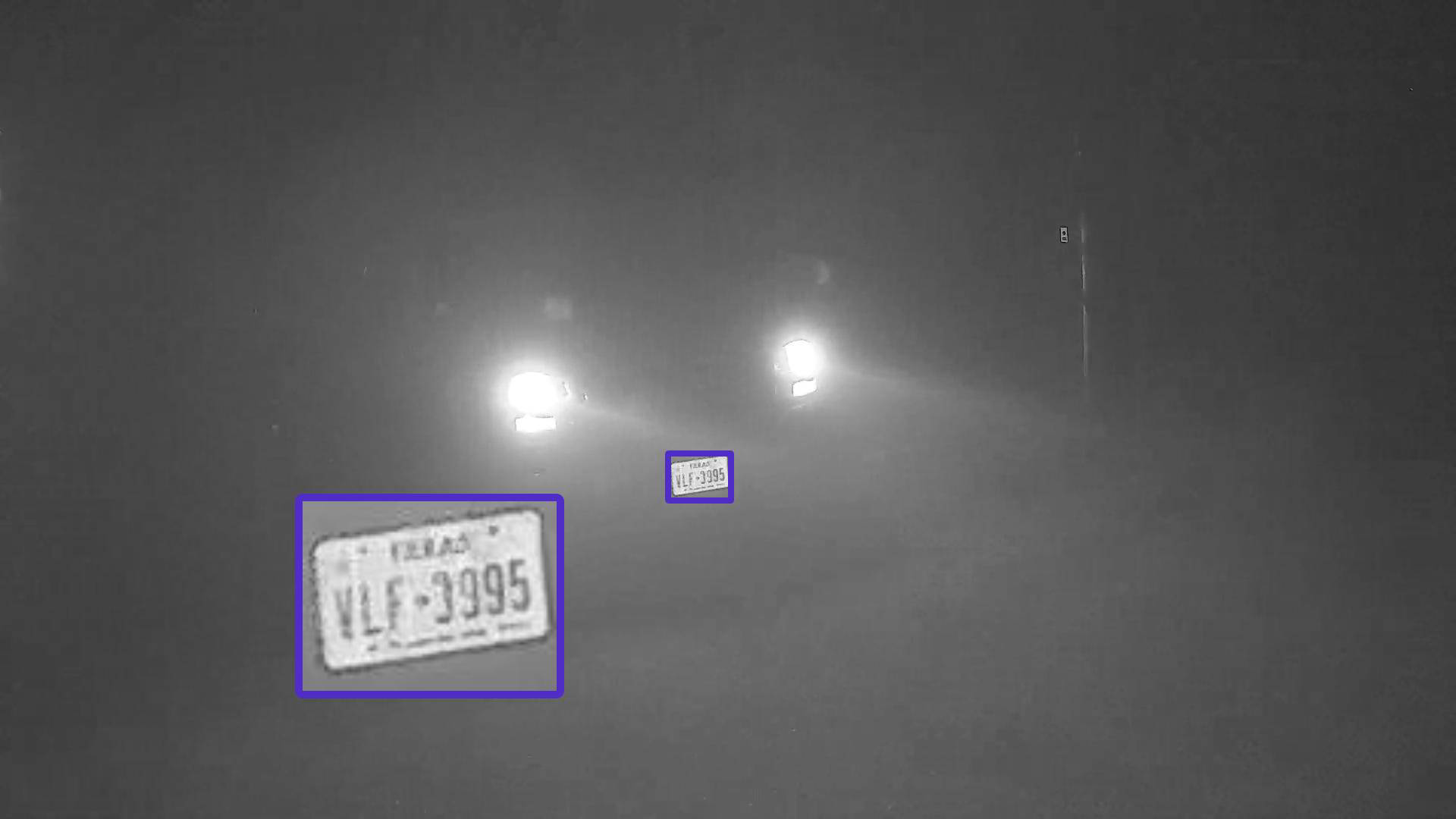
In real sites, single-frame systems fail when conditions are imperfect. CLPS succeeds because it never relies on one shot.
Most plate readers grab one photo as the vehicle passes. If that photo is blurry, glared, or the plate is tilted, the read fails and someone has to step in. CLPS checks dozens of photos a second and reads the plate across many of them per pass, so the gate keeps moving where one-shot cameras get stuck.
| What matters | CLPS · continuous scanning | Single-frame systems |
|---|---|---|
| How it captures plates | Captures continuously and reads the plate across many frames per pass | Takes one shot and hopes it's clear |
| Accuracy | 99.9% read rate in our deployments since 2023 | More likely to miss imperfect frames |
| Dirty / damaged plates | Reads bent, dirty, scratched plates | Frequently fails |
| Bad angles / glare / motion | Handles angles, glare, and fast movement | Struggles with anything imperfect |
| Real-world conditions | Reliable in dust, rain, headlights, low light across our deployments since 2023 | Easily disrupted |
| Manual intervention | Fewer manual reviews | Frequent manual approvals |
- Plates covered in dust or mud
- Plates bent or warped (trucks, forklifts, trailers)
- Strong glare or headlights
- Fast-moving vehicles
- Trucks at high angles
US plate designs vary widely. CLPS reads them anyway.
Europe standardized its license plates decades ago — consistent formats and even fonts designed to be read by machines. The US never did. There are more than 8,000 plate designs across the 50 states and DC (Maryland alone issues close to a thousand) with stacked characters, graphics printed behind the numbers, and every font imaginable. A reader tuned for tidy European plates falls apart on them. And it isn’t US-only: CLPS reads any Latin-alphabet plate internationally, configured per region.
On top of that, more than 20 states no longer require a front plate, so a vehicle approaching your gate may show nothing to read head-on. CLPS is built for that reality: it keeps scanning as the vehicle passes and reads the rear plate across many frames, instead of relying on a single front-facing shot.
Put accurate reads on your gate.
Tell us about your gate and its conditions (dust, glare, fast trucks, bent plates) and we'll confirm CLPS will read them, with a quote, usually within 2 business days.
- 30-day money-back guarantee
- 1-year hardware warranty
- No gate replacement
- Compatibility answer in 2 business days